The ones without whom these stories stay unfinished. These selected profiles gather a few episodes, relationships, and questions, with paths into the readings.
More journeys into the texts
- Rama English
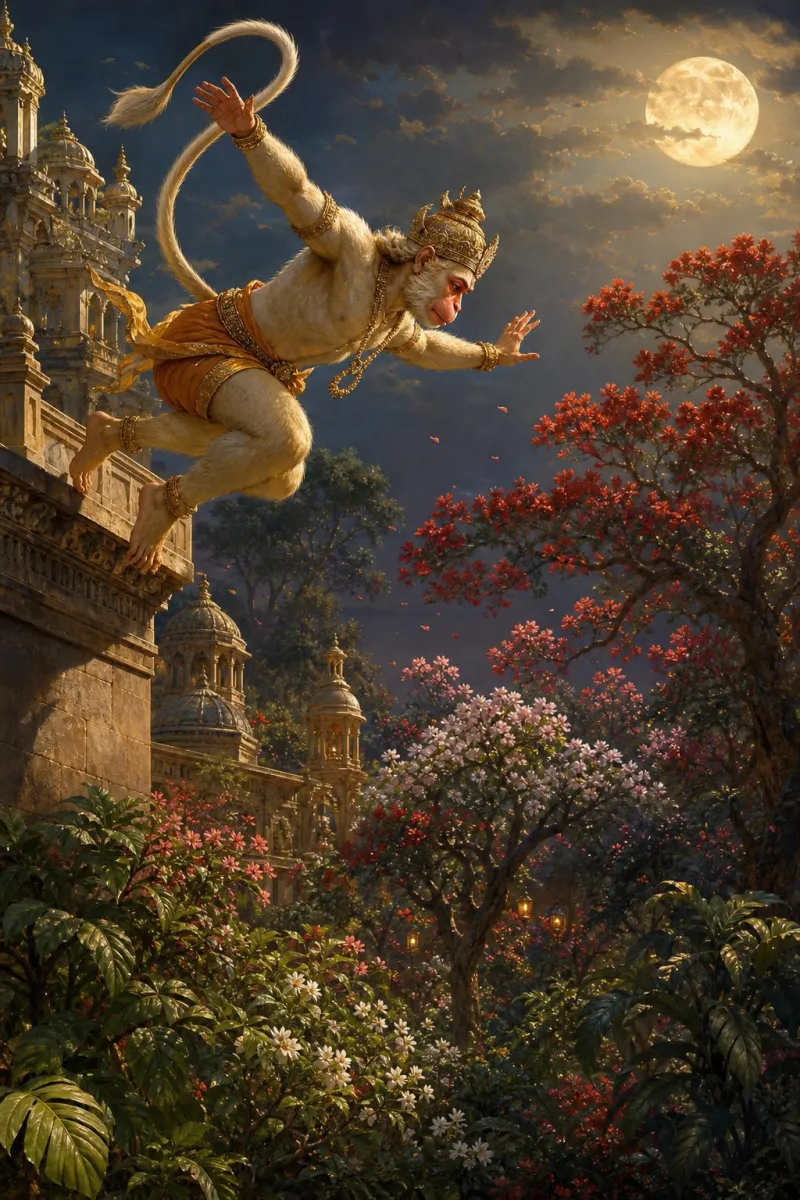
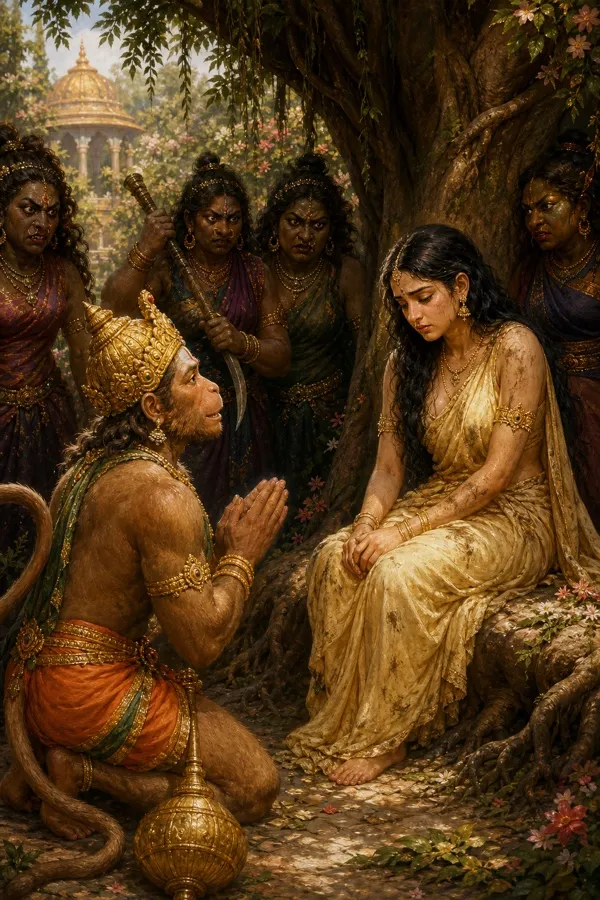
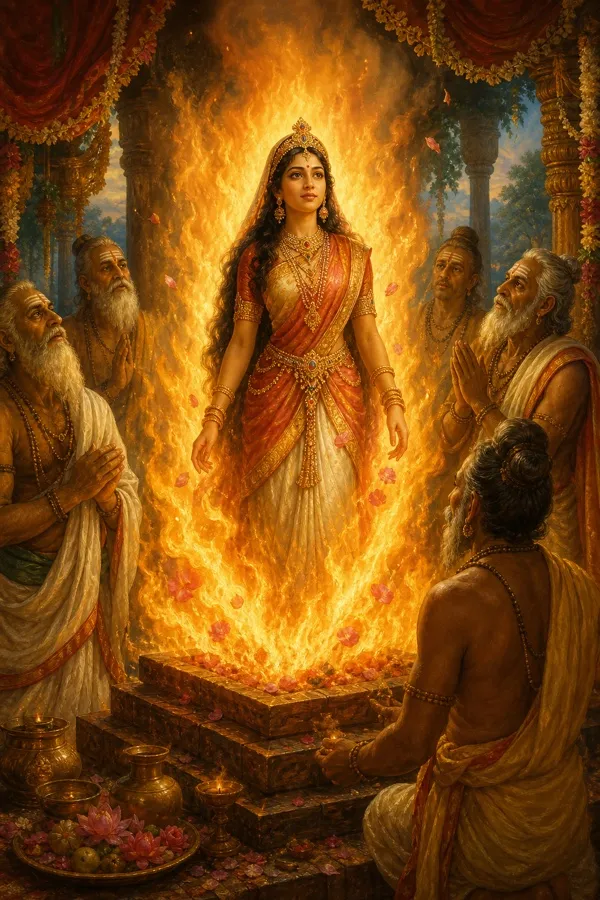
Valmiki’s Rama, from Narada’s answer at the opening of the Bala Kanda to the waters of the Sarayu: the word given to a father, the arrow from the trees, the vow of refuge, the ordeal by fire and the exile of Sita.
- Lakshmana English
Valmiki’s Lakshmana, from the plea to walk ahead into the forest to the bank of the Sarayu: the fury in Kausalya’s apartments, the bowstring at the gate of Kishkindha, the death of Indrajit at Nikumbhila, and the burden of leaving Sita across the Ganga.
- Bharata English
Valmiki’s Bharata, who refused a throne: the reproach of Kaikeyi, the vigil at Chitrakuta, Rama’s sandals and the kingdom held at Nandigrama, and at the last the waters of the Sarayu.
- Dasharatha English
Valmiki’s Dasharatha, a king bound by his own word: the rite for sons, the two boons in the chamber of anger, the single word at the parting, and the blind hermits’ curse fulfilled on the sixth night.
- Arjuna English
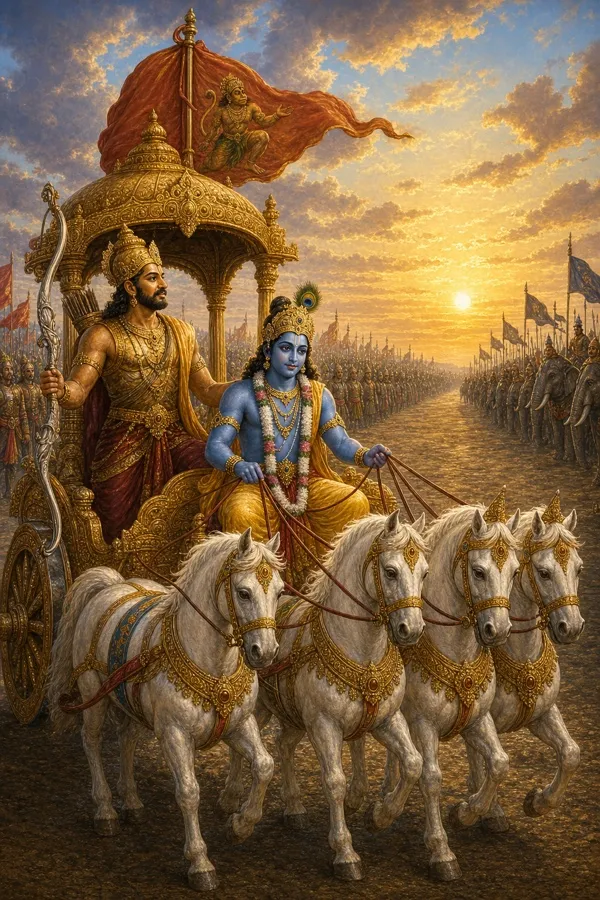
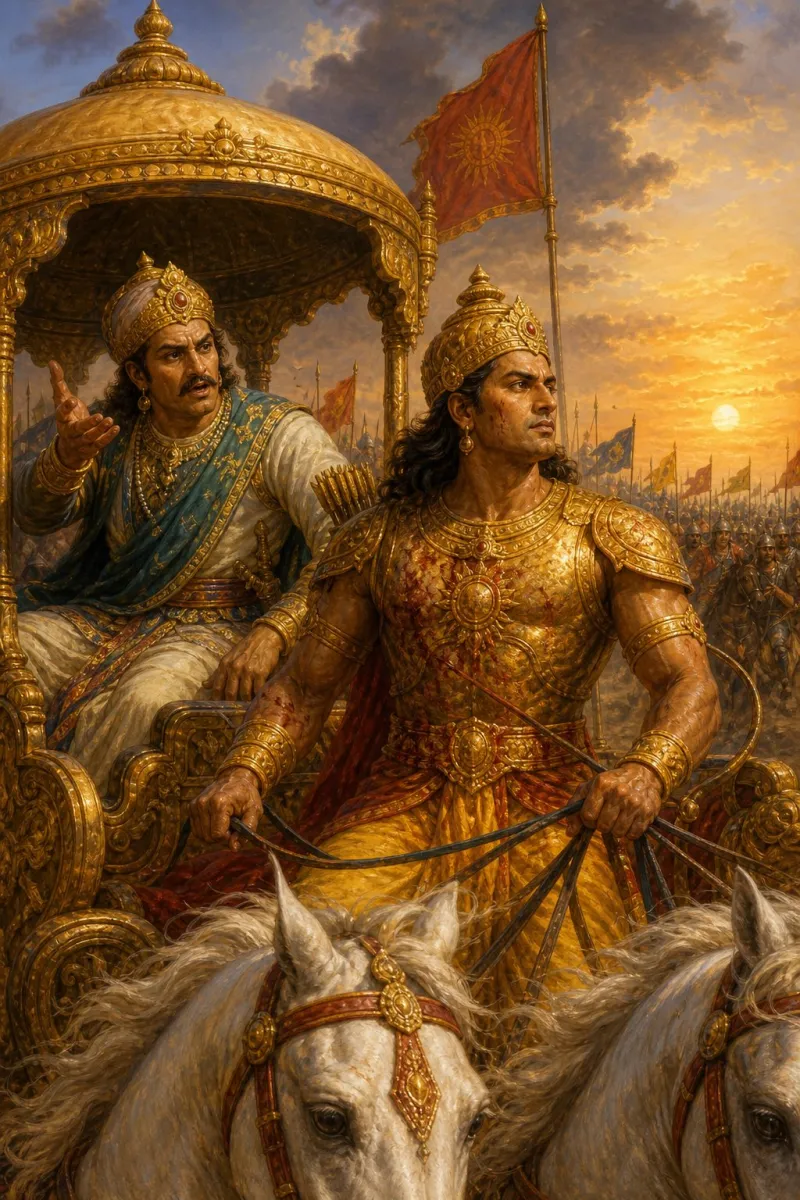
Vyasa’s Arjuna across a whole life: the bow drawn in the dark, the twelve years of exile, the weapons won from the gods, the plea at Kurukshetra to be taught, and what he heard and lost after the war.
- Yudhishthira English
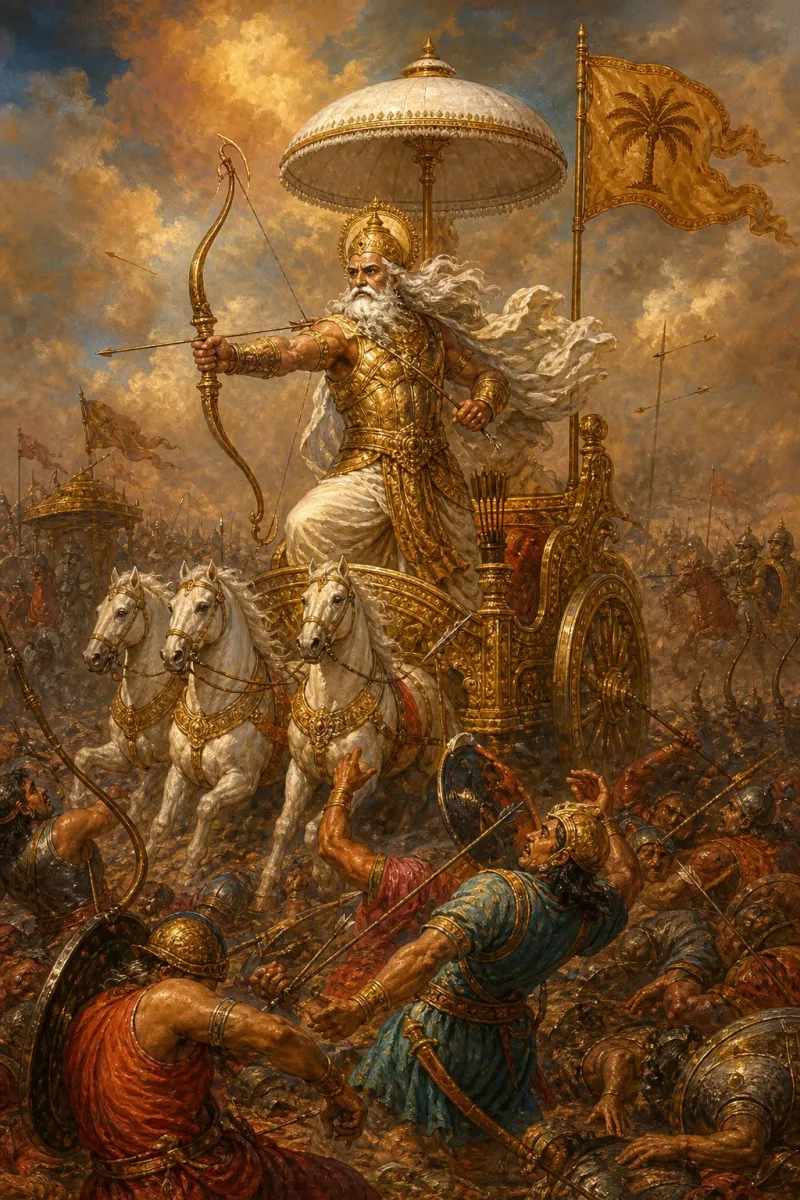
Vyasa’s Yudhishthira, son of Dharma: the invitation to dice, the questions of the Yaksha, the half-truth about Ashvatthama, the dog on the great journey, and the sight of hell at the door of heaven.
- Prahlada English
The Bhagavata’s Prahlada: Narada’s teaching heard in the womb, his father’s schoolroom, Narasimha out of the pillar and the boon refused, with the Yoga Vasistha’s separate telling alongside.
Follow a relationship
After Arjuna, open his conversation with Krishna. After Rama, read Sita alongside him. For a different difficulty, follow Karna into the conversations with Krishna and Kunti, then consider what gratitude asks of a person.
These journeys carry exact passage notes and independent source comparisons.